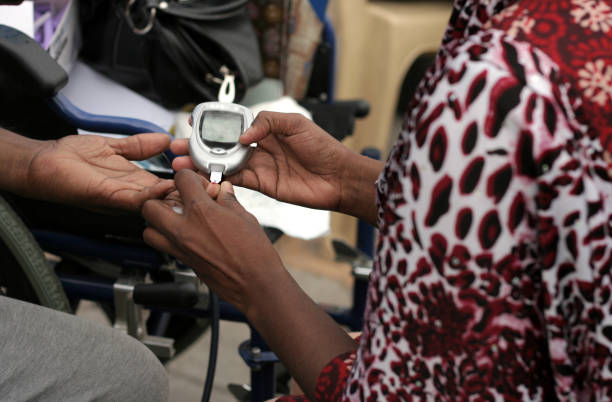
diabetes diagnosis
Tags: causes of diabetes, Diabetes, diabetes causes, diabetes children, diabetes cure, diabetes diagnosis, diabetes diet, diabetes symptoms, diabetes treatment, type one diabetes
A condition, in which a person has a high blood sugar level, because the body doesn’t produce enough insulin, or body cells don’t respond properly to the insulin that is produced, called Diabetes.
It is a hormone disorder that can cause problems with kidneys, legs, eyes, nerves, blood flow and heart. If not treated properly, these problems can lead to kidney failure, blindness, gangrene and amputation.
Diabetes is on the increase, because people are getting fatter and increasingly inactive lifestyles.
Types of Diabetes:
Type 1: Known as insulin dependent or immune-mediated Diabetes:
In this disease body fails to produce hormone insulin. Insulin is required to control blood sugar level.
The Symptoms:
The symptoms are high levels of sugar in the blood, high levels of sugar in the urine, frequent urination, extreme hunger and thirst, weight loss, weakness, Irritability and mood swings, nausea and vomiting.
People can live happy with type 1 diabetes by keeping blood sugar levels as close to normal as possible through insulin injections, regular exercise and control of diet. Follow a diabetes treatment plan. Regular checkup for blood and urine, tests will show if the disease under control.
If ketones present in the urine this indicates problems.
Type 2: non-insulin dependent diabetes:
In this disease cells fails to use insulin properly. This is the most common form of diabetes and usually occurs over-aged people of 45 and over weight.
The Symptoms:
The Symptoms are increased thirst, increased need to urinate, feel tired, irritable and increased appetite but they lose weight. Some other signs are repeated or hard to heal infections of skin, unclear vision, loss of feeling in hands or feet and dry or itchy skin. In this, symptoms can be mild that they go ignored, because it makes confusion with signs of ageing.
People can live happy with type 2 diabetes by keeping control on blood sugar level as close as possible to normal, regular exercise, diet control and weight control.
Some other forms of diabetes include, Gestational diabetes; during pregnancy, Congenital diabetes; due to genetic defect and several from of monogenic diabetes.
All kind of diabetes are treatable, but usually cannot be cured.
Diabetes Diagnosis
Diabetes is defined as a system malfunction where the glucose levels in the blood are not at normal levels. Insulin is a hormone manufactured in the pancreas and this converts the glucose that food has been broken down in to, into energy. The problem arises when the pancreas produce insufficient insulin or then the insulin that is produced is not being utilized properly by the body, liver, fat and muscles. Now your cells are getting starved of energy but the glucose in the blood is on a continuous increase.
This increased level of glucose in the blood leads to a condition called hyperglycemia, which leads to damage of nerves and blood vessels and can also lead to problems like stokes, kidney diseases, heart problems etc.
So the how does one know that they have diabetes and how are they going to get a diabetes diagnosis? What does the diabetes testing process involve and what precautions are to be taken to get the diabetes test done?
There are many causes of diabetes. so if you find that you have a lot of fatigue, sleepiness, excessive hunger, and rapid changes in weight, blurred vision etc then it is advisable to get a diabetes test done. A diabetes diagnosis procedure will eliminate all doubts.
There is a laboratory conducted diabetes diagnosis which is dependant on the amount of glucose that is found in the urine coupled with an indication of increased blood sugar levels. Now days diabetes testing is done using the fasting plasma diabetes test and diabetes diagnosis is confirmed if the result shows glucose value of 126 mg/dl or higher.
There is another diabetes testing procedure called the oral glucose tolerance test which is a little more expensive than the normal diabetes test. Here a diabetes diagnosis requires that the value of glucose is 200 mg/dl or greater. The above criteria met during diabetes testing will confirm a diabetes diagnosis and these diabetes tests are repeated the next day to be completely certain.
There are some other aspects of diabetes testing that one must know about. There is a diabetes test called the casual plasma glucose test where there are no conditions regarding food intake etc and the diabetes test can be done at any time of the day. There symptoms that would define the need for this type of diabetes testing are things like weight loss, polyuria or the polydipsia. Then there is the diabetes test with fasting which means no food must be eaten for at least eight hours prior to the test.
There is another diabetes diagnosis done for women when they are pregnant. This is called the gestational diabetes mellitus. Diabetes testing is recommended for those women who may have history of diabetes in their family. But there are certain factors that indicate where diabetes testing is required and where diabetes test is not required.
The low-risk group of women would ideally be less than age 25, have standard body weight, no history of diabetes diagnosis in the immediate family and no past obstetric anomalies.
Most diabetes testing procedures require that you have to maintain certain time period of no eating or fasting as it is called prior to the diabetes testing being carried out. The diabetes test itself is not painful nor does it involve invasive procedures. Blood is drawn at the prescribed times where certain conditions of fasting and eating have been met and then all the diabetes testing is carried out on the blood sample.
Categories
- AIDS (8)
- Arthritis (6)
- Business (1)
- Cancer (6)
- Conditions and Diseases (1)
- Dental (1)
- Depression (12)
- Diabetes (17)
- Diseases (6)
- Fitness (3)
- Hair loss (6)
- Health (59)
- Health Articles (13)
- Health Insurance (3)
- Health News (2)
- Health Service (1)
- Health With Humor (6)
- Healthy Food (1)
- Heart Attacks (3)
- Let's Laugh (1)
- Medical Instrument (11)
- Men's Health (5)
- Mesothelioma (13)
- Nutrition (1)
- Pain Relief (1)
- Physically Disable (1)
- Pregnancy (6)
- Quit Smoking (5)
- sexology (1)
- Skin Care (2)
- Tips and Tacts (2)
- weight gain (1)
- weight loss (31)
- Women's Health (9)
Archives
- January 2012 (1)
- December 2011 (2)
- November 2011 (6)
- October 2011 (11)
- September 2011 (9)
- August 2011 (14)
- July 2011 (3)
- May 2011 (2)
- April 2011 (4)
- March 2011 (8)
- February 2011 (6)
- January 2011 (4)
- December 2010 (1)
- November 2010 (4)
- October 2010 (5)
- September 2010 (2)
- August 2010 (1)
- July 2010 (2)
- May 2010 (3)
- April 2010 (1)
- February 2010 (1)
- November 2009 (2)
- September 2009 (3)
- August 2009 (6)
- July 2009 (6)
- June 2009 (15)
- May 2009 (2)
- March 2009 (1)
- February 2009 (3)
- January 2009 (2)
- December 2008 (4)
- November 2008 (7)
- October 2008 (12)
- September 2008 (8)
- August 2008 (2)
- June 2008 (1)
- May 2008 (7)
- April 2008 (16)
- March 2008 (56)
Pages
Recent Posts
Archives
- January 2012
- December 2011
- November 2011
- October 2011
- September 2011
- August 2011
- July 2011
- May 2011
- April 2011
- March 2011
- February 2011
- January 2011
- December 2010
- November 2010
- October 2010
- September 2010
- August 2010
- July 2010
- May 2010
- April 2010
- February 2010
- November 2009
- September 2009
- August 2009
- July 2009
- June 2009
- May 2009
- March 2009
- February 2009
- January 2009
- December 2008
- November 2008
- October 2008
- September 2008
- August 2008
- June 2008
- May 2008
- April 2008
- March 2008